
HMRC threatens bogus penalties
Correspondence from HMRC suggests there's a penalty if you don't pay your self-assessment tax bill by Saturday, 31 January. This isn't strictly true, but what are your options if you can't pay on time?
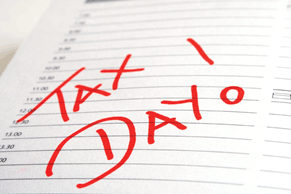
If you're signed up to receive reminders from HMRC about self-assessment, you'll have received several texts and/or emails about the filing and payment deadline, which is 31 January (this Saturday). The reminders may be helpful for some, but the scaremongering tactics are not. The most recent text begins with "Remember to pay by 31 January to avoid a penalty". Whilst the payment deadline is 31 January, it simply isn't true that you'll be charged a penalty if you don't pay on time. Whilst we don't advise missing the deadline, the fact is late payment penalties don't kick in until you're 30 days late as stated online.
However, you will be charged late payment interest, at 7.75% per annum. As far as interest rates go, this is eye-wateringly high, but if you need a few days to make the payment it isn't likely to break the bank. For example, if your tax bill is £3,000, the late payment interest charge is less than £4.50 per week.
If you're in real financial difficulty you should contact HMRC as soon as possible to agree a payment plan.
Related Topics
-
Accounting for VAT if there is no cash payment
Your business has submitted repayment returns for the last two quarters and you are concerned that you might have underpaid output tax on some supplies where no money has changed hands. Are your concerns justified?
-
Treatment of distributions under review
The government has launched a consultation on modernising the tax treatment of distributions and repayments of capital by companies. The proposals could affect the distinction between dividends taxed as income and capital payments subject to CGT. What changes are being considered?
-
Tax relief on equipment you haven’t paid for (yet)
The timing of tax relief for purchases of equipment isn’t straightforward when payments are delayed or goods are purchased through hire purchase (HP) agreements. How can you use these rules to your advantage and get tax relief before you’ve paid the final invoice?





 This website uses both its own and third-party cookies to analyze our services and navigation on our website in order to improve its contents (analytical purposes: measure visits and sources of web traffic). The legal basis is the consent of the user, except in the case of basic cookies, which are essential to navigate this website.