
Dividend checklist
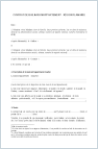
When you want to pay a dividend, there are a number of considerations to take into account to ensure it is valid. Our checklist will help you to establish that your dividends are up to scratch.
Dividends
Dividends are amounts paid to shareholders out of the accumulated profits of a company. Generally speaking, these will be paid out in direct proportion to the number of shares held in the same class - so a shareholder who has 200 shares would receive twice as much as one who has 100 shares. There can be differences due to shareholders waiving their right to dividends. The dividend is therefore a return on capital, i.e. it is a type of investment income and not earnings for tax purposes.
There are a number of things that need to be considered in practical terms when paying dividends, so we have put these together in a checklist.
Using the checklist
Refer to the checklist ahead of deciding on dividend levels, and ensure you follow each step. Provided you do this there should be no issues with your dividends being queried. You will also have all the paperwork to hand with the correct accounting entries in place.
Related Topics
-
Do dividend waivers still work?
You need to take a dividend from your company but there’s just one problem. Your business partner, who is also a 50% shareholder, doesn’t want to take any more income from the company during this tax year. What’s the solution?
-
Save tax by combining directors’ loan accounts
You started a company last year and it’s time to prepare its first accounts. Your director’s loan account (DLA) is in credit but your spouse’s is overdrawn. Might amalgamating the DLAs avoid or reduce a tax charge?
-
Updated guidance on mandatory payrolling of benefits in kind
Much like the rollout of mandatory payrolling of benefits in kind, HMRC guidance on the matter is coming in dribs and drabs. What's the latest?





 This website uses both its own and third-party cookies to analyze our services and navigation on our website in order to improve its contents (analytical purposes: measure visits and sources of web traffic). The legal basis is the consent of the user, except in the case of basic cookies, which are essential to navigate this website.